
Smyrna Retail Stores Junk Removal Services
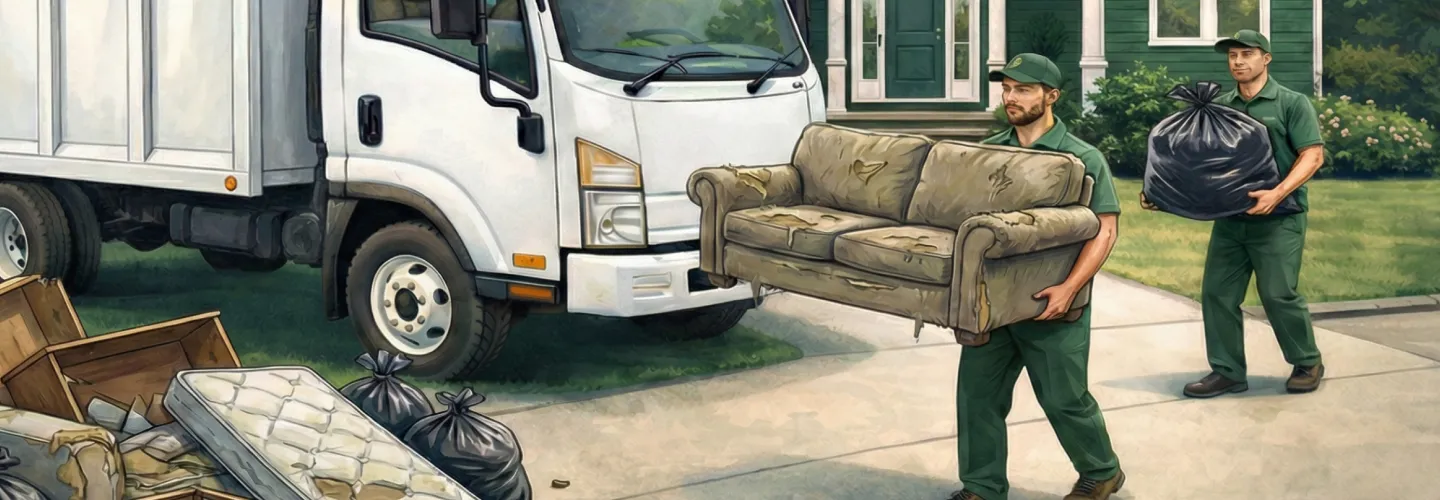
Choose our Retail Stores Junk Removal for fast, reliable, and discreet service that keeps your store clean, organized, and ready for customers—so you can focus on what matters most: growing your business.
Get a Free QuoteOur Smyrna Junk Removal Services
Retail Stores Junk Removal in Smyrna, GA – Local Service Guide
Retail stores in Smyrna, GA, face unique challenges when it comes to junk removal, from seasonal inventory changes to store renovations and ongoing waste management. In busy retail corridors like Jonquil Plaza and the Cumberland Parkway area, timely removal of outdated fixtures, packaging, and displays is crucial to maintaining a safe and appealing environment for customers. Local regulations and recycling initiatives encourage responsible disposal, making it important for retailers to coordinate with licensed haulers who understand Smyrna’s requirements. Whether clearing out after a major sale or preparing for a remodel, professional junk removal services help minimize disruption and ensure compliance with city guidelines. For more information on local sanitation and disposal rules, visit the Smyrna Public Works Department.
Key Considerations for Retail Stores Junk Removal in Smyrna
- Schedule pickups during off-peak hours to avoid customer disruption
- Secure necessary permits for large-scale disposals or dumpsters
- Use approved recycling and donation channels for fixtures and electronics
- Ensure easy access for removal teams, especially in busy shopping centers
- Plan for higher volumes during seasonal resets or store closures
- Coordinate with property management for shared spaces and loading zones
Benefits of Retail Stores Junk Removal in Smyrna
Fast and Reliable Service
Eco-Friendly Disposal Solutions
Experienced Junk Removal Team
Flexible Scheduling Options
Comprehensive Cleanout Services
Transparent Upfront Pricing
Coordinating Retail Store Cleanout Waste with Smyrna's Public Works Department
Retail store closures, renovations, and inventory liquidations in Smyrna generate significant volumes of commercial waste requiring proper municipal coordination. The Smyrna Public Works Department oversees sanitation services and can direct commercial establishments toward approved disposal channels. Retail junk removal typically involves shelving units, display fixtures, signage, point-of-sale equipment, packaging materials, and unsold merchandise. Key considerations for Smyrna retail store cleanouts include:
- Commercial waste classification: Retail store debris is classified as commercial solid waste under Georgia regulations, requiring disposal through licensed commercial haulers rather than residential collection programs
- Scheduling restrictions: Smyrna's noise ordinances may limit removal operations during early morning and late evening hours in mixed-use zones
- Volume management: Large-scale retail cleanouts may require multiple removal trips; coordinate with haulers to establish staging areas that do not obstruct public rights-of-way
- Code compliance: All waste must be contained during removal to prevent litter and stormwater contamination
Smyrna Public Works Department
2800 King Street, Smyrna, GA 30080
Phone: (770) 434-6600
Official Website: Smyrna Public Works Department
Georgia's Solid Waste Management Act and Retail Disposal Compliance
Retail store junk removal in Smyrna must comply with the Georgia Comprehensive Solid Waste Management Act (O.C.G.A. § 12-8-20) administered by the Georgia Environmental Protection Division (GA EPD). This legislation establishes the regulatory framework governing how commercial waste—including retail fixtures, electronics, and packaging—must be handled, transported, and disposed of throughout the state. Retail operators and junk removal providers should be aware of the following requirements:
- Manifest documentation: Commercial waste haulers must maintain records of waste origin, volume, and destination facility
- Prohibited materials: Hazardous substances such as fluorescent lighting ballasts, cleaning chemicals, and lead-acid batteries from retail operations cannot enter the municipal solid waste stream
- Tire disposal: Retail stores selling tires must comply with Georgia's scrap tire management regulations (O.C.G.A. § 12-8-40.1), which prohibit landfill disposal
- Appliance handling: Refrigerated display cases and HVAC units require refrigerant recovery per EPA Section 608 regulations before disposal
- Penalties: Improper disposal violations may result in fines up to $25,000 per day under Georgia law
Smyrna Building Division Permits for Retail Store Renovation and Fixture Removal
When retail store junk removal involves structural modifications—such as removing built-in shelving, counters, or interior walls—a building permit from the Smyrna Building Division may be required. Even seemingly minor demolition work inside a retail space can trigger permit and inspection requirements under Smyrna's municipal code. Retail operators and removal contractors should address the following before beginning work:
- Permit determination: Contact the Building Division to confirm whether the scope of fixture removal constitutes demolition requiring a permit
- Asbestos surveys: Retail buildings constructed before 1980 may contain asbestos in floor tiles, ceiling materials, or pipe insulation; a licensed inspector must conduct a survey before disturbance
- Lead paint compliance: Structures built before 1978 require adherence to the EPA Renovation, Repair, and Painting Rule during any work that disturbs painted surfaces
- Fire code clearance: Removal activities must maintain clear egress paths and fire suppression system integrity throughout the project
Smyrna Building Division
2800 King Street, Smyrna, GA 30080
Phone: (770) 434-6600
Official Website: Smyrna Building Division
Recycling and Diversion Programs for Retail Store Materials in Smyrna
Smyrna encourages waste diversion through Keep Smyrna Beautiful & Environmental Services, which promotes recycling initiatives and environmental stewardship throughout the community. Retail store cleanouts present significant opportunities for material recovery and landfill diversion. Common retail materials and their recommended disposal pathways include:
- Cardboard and packaging: Corrugated cardboard, shrink wrap, and packing materials are highly recyclable and should be separated from general waste for recycling
- Metal shelving and fixtures: Steel and aluminum display units, clothing racks, and storage systems have scrap metal value and should be directed to licensed metal recyclers
- Electronics and POS equipment: Computers, monitors, cash registers, and security systems should be recycled through certified e-waste processors; Georgia does not currently have a statewide e-waste landfill ban, but responsible recycling is strongly encouraged
- Furniture and office items: Desks, chairs, and break room furniture in usable condition may be donated to local charitable organizations such as Habitat for Humanity ReStore
- Lighting: Fluorescent tubes and compact fluorescent lamps contain mercury and must be handled as universal waste under EPA Region 4 guidelines
Keep Smyrna Beautiful & Environmental Services
2800 King Street, Smyrna, GA 30080
Phone: (770) 434-6600
Official Website: Keep Smyrna Beautiful & Environmental Services
Safety and Material Handling Standards for Retail Store Junk Removal
Retail store environments present specific safety challenges during junk removal operations. Heavy display cases, glass fixtures, industrial shelving, and bulky signage require proper handling techniques and equipment to prevent injuries and property damage. OSHA workplace safety standards apply to all commercial junk removal activities. Key safety and handling considerations include:
- Heavy lifting protocols: Retail gondola shelving, glass display cases, and commercial refrigeration units often exceed 200 pounds and require mechanical assistance such as dollies, hand trucks, or lift equipment
- Glass and sharp materials: Broken display cases, mirrors, and acrylic signage must be wrapped and contained to prevent lacerations during transport
- Electrical disconnection: All powered fixtures, signage, and equipment must be properly disconnected by qualified personnel before removal; verify circuits are de-energized before handling wired installations
- Chemical products: Retail stores may contain cleaning supplies, paint, adhesives, or pest control products classified as hazardous waste requiring separate handling and disposal through Cobb County's household hazardous waste collection events
- Property protection: Use floor coverings and door frame padding to prevent damage to leased retail spaces during removal operations
What Neighborhoods Do We Serve Throughout Smyrna, GA?
- Smyrna Market Village: This walkable downtown district features a mix of retail storefronts and restaurants with limited rear-alley access. Removal vehicles may need to coordinate with the city regarding loading zone usage along Atlanta Road during business hours.
- South Cobb Drive Corridor: A major commercial corridor with strip malls and standalone retail buildings. Wide parking lots generally allow straightforward truck access, though coordination with property management is essential for multi-tenant locations.
- Vinings: Upscale retail and mixed-use developments near the Chattahoochee River often have HOA or property management restrictions governing removal schedules, truck sizes, and staging areas. Advance approval is typically required.
- Belmont Hills: Primarily residential with neighborhood commercial nodes. Narrow side streets and limited parking may require advance coordination for retail cleanout projects in smaller storefronts.
- West Village: A newer mixed-use development with structured parking and pedestrian-oriented design. Service vehicle access is typically restricted to designated loading areas, and building management approval is required for large-scale removal operations.
- King Springs: A residential area with scattered commercial properties along major intersections. Retail locations here may have shared parking lots requiring careful scheduling to minimize disruption to neighboring businesses.