
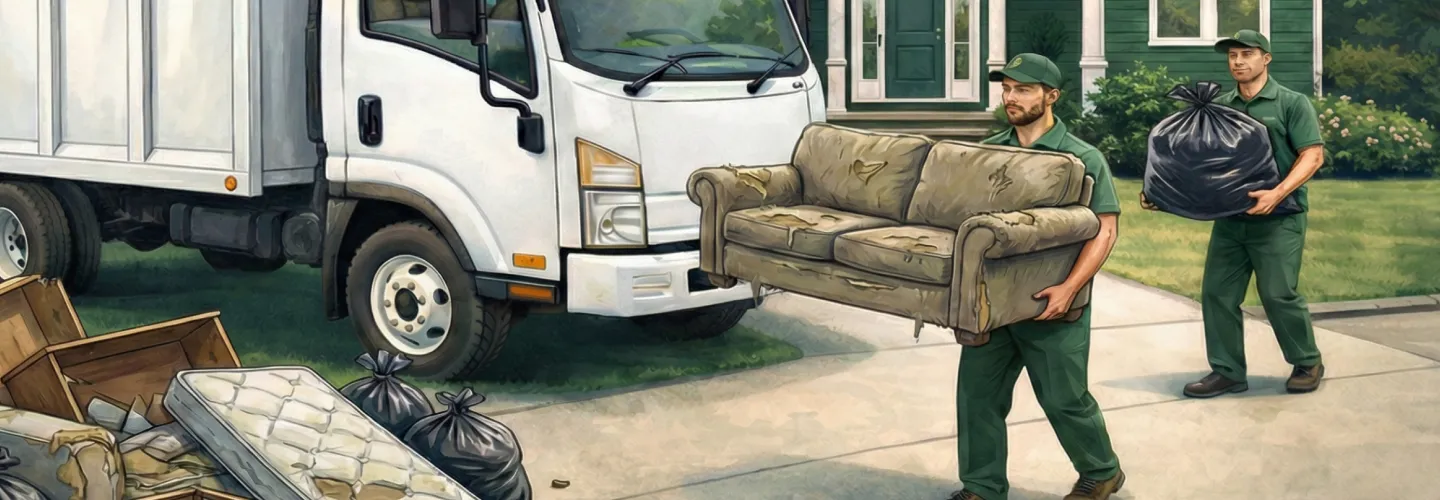
Smyrna Construction Waste Management Services
Choose our Construction Waste Management for reliable, eco-friendly disposal and recycling that keeps your project on schedule and your site compliant—saving you time, money, and hassle.
Get a Free QuoteOur Smyrna Junk Removal Services
Construction Waste Management in Smyrna, GA – Local Service Guide
Effective construction waste management in Smyrna, GA, is essential for maintaining clean neighborhoods and supporting sustainable growth. Whether you’re renovating a home in Williams Park, clearing out a basement in Vinings Estates, or managing debris from a new build near Belmont Hills, understanding local disposal options and regulations is key. Residential items like furniture, appliances, and electronics often require removal during seasonal cleanouts, moves, or upgrades. In Smyrna, residents can donate usable items, recycle metals and electronics, or schedule pickups for bulk waste. For residential spaces such as garages, attics, and yards, spring and fall are peak times for cleanouts, especially after storms or during yard maintenance cycles. Commercial projects in areas like Jonquil Plaza or South Cobb Drive face unique challenges, including high waste volumes and the need for discreet, timely removal to minimize business disruption. Specialty services—such as dumpsters for construction debris or coordinated cleanouts for estate and foreclosure properties—require careful planning, especially in flood-prone or high-traffic neighborhoods. For guidance on local rules and resources, visit the Smyrna Public Works Department.
Key Considerations for Construction Waste Management in Smyrna
- Timing your project around local pickup schedules and weather
- Securing necessary permits for large-scale disposal
- Choosing proper disposal or recycling channels for different materials
- Ensuring site access for removal vehicles, especially in tight neighborhoods
- Estimating waste volume to select the right service size
- Coordinating with city services for specialty or high-volume needs
Benefits of Construction Waste Management in Smyrna
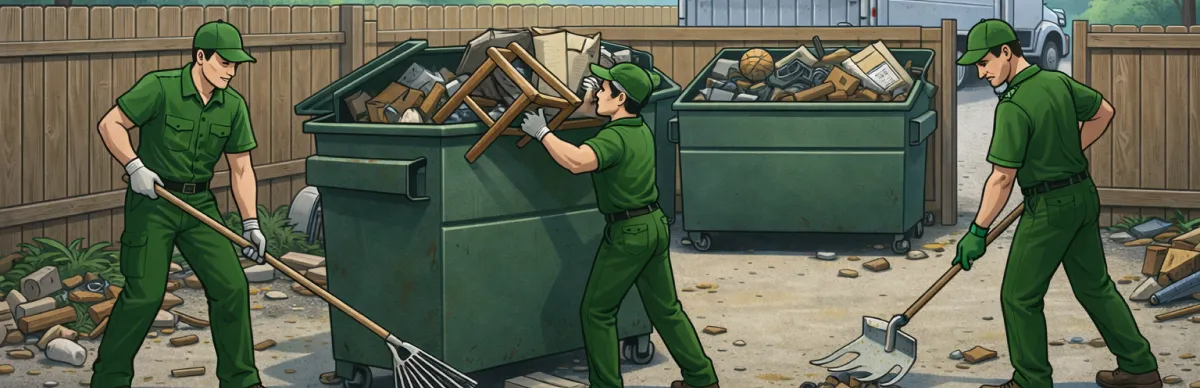
Efficient Debris Removal
Cost-Effective Waste Solutions
Environmentally Friendly Practices
Regulatory Compliance Assurance
Improved Site Safety
Streamlined Project Timelines
Coordinating Construction Debris Disposal with Smyrna's Public Works Department
Construction and demolition (C&D) debris generated from renovation, remodeling, and building projects in Smyrna must be managed in accordance with municipal solid waste regulations. The Smyrna Public Works Department oversees sanitation services and can direct residents and contractors toward approved disposal methods for construction materials. Key considerations include:
- Prohibited curbside disposal: Construction debris such as lumber, drywall, roofing shingles, and concrete is not accepted through regular residential trash collection
- Hauler responsibility: Contractors and homeowners are responsible for transporting C&D waste to licensed disposal or recycling facilities
- Scheduling coordination: Large-scale debris removal may require advance coordination with Public Works to avoid conflicts with residential collection routes
- Commercial hauler licensing: Waste haulers operating within Smyrna must comply with city business licensing requirements
Smyrna Public Works Department
2800 King Street, Smyrna, GA 30080
Phone: (770) 431-2863
Official Website: Smyrna Public Works Department
Residents undertaking smaller projects should confirm accepted materials and volume limitations before transporting debris to any disposal facility.
Smyrna Building Permits and Code Compliance for Renovation and Demolition Debris
Any construction, renovation, or demolition project in Smyrna that generates significant waste typically requires a building permit issued through the Smyrna Building Division. Permit applications are reviewed for compliance with local building codes, zoning ordinances, and waste management expectations. Important regulatory requirements include:
- Demolition permits: Full or partial demolition projects require separate permit approval; applicants must describe the waste disposal plan as part of the application
- Renovation debris: Kitchen, bathroom, and whole-home remodels producing drywall, tile, cabinetry, and flooring waste must be disposed of at licensed facilities
- Code enforcement: Accumulation of construction debris on residential or commercial properties may trigger code violations; the Smyrna Community Development department monitors compliance
- Inspection requirements: Post-demolition site inspections may be required before new construction permits are issued
- Historic properties: Projects in designated historic areas may require additional review through the Planning and Zoning Division
Smyrna Building Division
2800 King Street, Smyrna, GA 30080
Phone: (770) 431-2867
Official Website: Smyrna Building Division
Failure to obtain proper permits before generating construction waste can result in stop-work orders and fines.
Georgia's Solid Waste Management Act and Construction Debris Recycling Requirements
Construction waste disposal in Smyrna is governed at the state level by the Georgia Comprehensive Solid Waste Management Act (O.C.G.A. § 12-8-20) administered by the Georgia Environmental Protection Division (GA EPD). This legislation establishes the framework for solid waste handling, permitting of disposal facilities, and recycling goals. Key state-level requirements affecting construction projects include:
- Permitted facilities only: All C&D debris must be disposed of at facilities holding valid solid waste handling permits from GA EPD
- Material separation: Georgia encourages separation of recyclable construction materials including metals, concrete, asphalt, and clean wood to reduce landfill volume
- Inert waste landfills: Clean concrete, brick, block, and soil may qualify for disposal at less restrictive inert waste landfills rather than municipal solid waste landfills
- Asbestos regulations: Demolition of structures built before 1980 requires an asbestos inspection per EPA National Emission Standards for Hazardous Air Pollutants (NESHAP) before any work begins
- Illegal dumping penalties: Unauthorized disposal of construction debris carries fines up to $25,000 per day per violation under Georgia law
Georgia Environmental Protection Division
2 Martin Luther King Jr. Drive SE, Suite 1456, Atlanta, GA 30334
Phone: (404) 656-4713
Official Website: Georgia Environmental Protection Division
Hazardous Material Handling and Safety Protocols for Smyrna Construction Projects
Construction and demolition activities in Smyrna frequently encounter hazardous materials that require specialized handling and disposal procedures. Older structures throughout the city may contain regulated substances that cannot be mixed with standard C&D debris. Critical safety and compliance requirements include:
- Lead-based paint: Buildings constructed before 1978 may contain lead paint; contractors must follow EPA Renovation, Repair, and Painting (RRP) Rule requirements, including EPA-certified firm registration and lead-safe work practices
- Asbestos-containing materials: Floor tiles, insulation, siding, and pipe wrap in pre-1980 structures may contain asbestos; licensed abatement contractors must handle removal
- Treated lumber: CCA-treated wood cannot be burned and must be disposed of as regulated waste
- Concrete with coatings: Painted or sealed concrete may require testing before recycling acceptance
- OSHA compliance: Construction site waste handling must meet OSHA standards for personal protective equipment, dust control, and material handling
The Keep Smyrna Beautiful & Environmental Services program provides guidance on environmentally responsible disposal practices and may offer resources for identifying proper hazardous waste disposal channels in the Smyrna area.
Stormwater Protection and Erosion Control During Construction Waste Removal in Smyrna
Construction waste management in Smyrna must account for stormwater pollution prevention, particularly on active job sites where debris can enter storm drains and waterways. The Smyrna City Engineer oversees erosion and sediment control requirements that directly affect how construction waste is stored and removed from project sites. Compliance measures include:
- Sediment barriers: Silt fences, inlet protection, and construction entrances must be maintained to prevent debris from migrating off-site
- Debris containment: Loose construction materials such as sawdust, packaging, and small fragments must be contained and not allowed to accumulate near storm drains
- Washout areas: Concrete washout must be performed in designated, lined areas to prevent alkaline runoff from entering the stormwater system
- Site stabilization: Exposed soil from demolition must be stabilized within timeframes specified by the city's land disturbance permit
- Inspection compliance: Regular site inspections verify that waste storage areas are properly maintained and not contributing to stormwater contamination
Smyrna City Engineer
2800 King Street, Smyrna, GA 30080
Phone: (770) 431-2863
Official Website: Smyrna City Engineer
What Neighborhoods Do We Serve Throughout Smyrna, GA?
- Vinings: Upscale residential properties and mixed-use developments generate renovation debris from kitchen and bath remodels. Hilly terrain and winding roads may require smaller vehicles for debris transport, and HOA regulations often govern on-site waste storage duration.
- Belmont Hills: Established single-family homes built in the 1960s–1980s may contain asbestos or lead paint requiring pre-demolition testing. Wide residential streets generally accommodate standard hauling equipment without access restrictions.
- King Springs: A mix of mid-century ranch homes and newer infill construction creates varied waste streams. Renovation projects in this area frequently produce drywall, flooring, and cabinetry debris requiring proper sorting.
- Smyrna Market Village Area: Commercial and mixed-use properties near the downtown core require coordination with city traffic management for debris hauling during business hours. Building permits and zoning compliance are closely monitored.
- Woodland Hills: Newer subdivisions with contemporary construction generate waste from warranty repairs and finishing work. Concrete driveways and wide cul-de-sacs provide favorable access for hauling vehicles.
- Covenant Glen: Townhome and condominium communities require coordination with property management for debris removal scheduling. Shared parking areas and limited staging space necessitate advance planning for material loading.